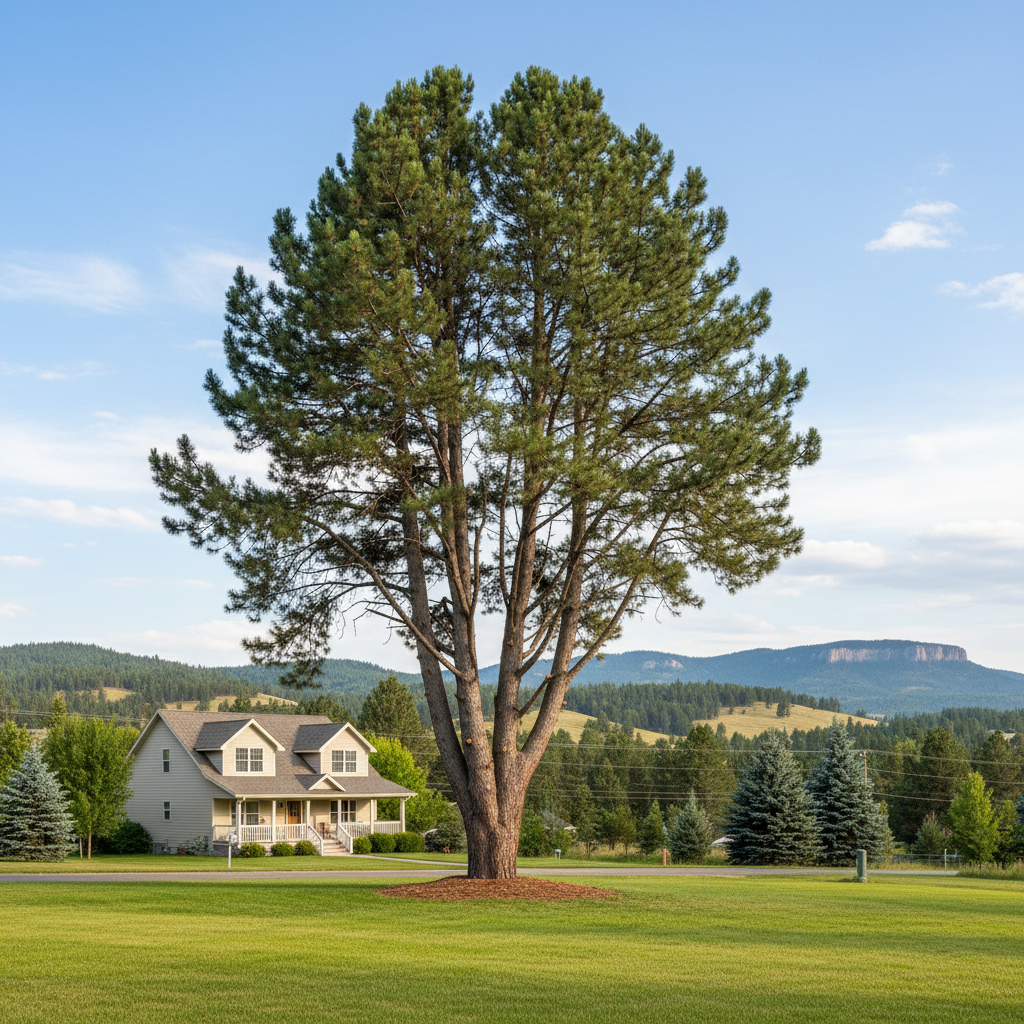
So, you just got your trees trimmed, and wow, they look great! The canopy's open, all those dead branches are gone, and everything just feels tidier. But here's the thing: that's not a "set it and forget it" kind of deal. Think of it like getting your car serviced; you still need to change the oil and keep an eye on things between those big tune-ups. The same goes for your trees, especially with our Helena weather throwing everything from heavy snow to dry summers at them, doesn't it?
Making Your Tree Trimming Last
The best way to make a professional trim really last is to understand what good tree health actually looks like. We're not just cutting branches, you know; we're shaping the tree for its long-term health and structural strength. When we at Helena Tree Service wrap up a job, we've usually removed dead, diseased, or crossing branches, and improved the overall shape. To keep that going, you'll want to focus on prevention and just watching what's happening.
- Water Smart: This is super important, especially for younger trees or when we're in a dry spell. Deep, infrequent watering helps those roots grow strong. Don't just sprinkle the surface, please; get that water down deep where it counts.
- Mulch Does a Lot: A good layer of organic mulch (and no, don't pile it up against the trunk!) helps keep soil moist, evens out soil temperature, and keeps weeds down. It's like a cozy blanket for the roots.
- Snip the Small Stuff: If you spot small suckers growing from the base or water sprouts shooting straight up from branches, you can totally snip those off with hand pruners. Catching them early means they won't become bigger problems that need a saw later on.
Regular Maintenance: What to Look For
Between our professional trims, your job is to be a good observer. Walk around your property regularly and really take a good look at your trees. You're not trying to do major surgery, but rather to spot potential issues before they get out of hand. Here's what I tell folks:
- Check for New Deadwood: Even healthy trees can have small branches die off. Look for branches that don't have leaves when they should, or ones that feel brittle and snap easily.
- Keep an Eye on Growth: Are branches growing into your house, power lines, or rubbing against each other? Catching these early can prevent damage to your property or even to the tree itself.
- Look at the Trunk and Base: See any cracks, peeling bark, or strange growths? Is the soil around the base packed down too hard? These can all be signs of stress.
- Watch for Pests and Diseases: Okay, so you might not be an arborist, but you can definitely spot unusual leaf discoloration, wilting, or insect activity. Webbing, holes in leaves, or sticky residue are all red flags, right?
Remember, our climate here in Helena, with its sometimes harsh winters and dry summers, really puts trees through their paces. A tree that's already weakened by poor maintenance is much more likely to get damaged from a heavy snow load or a long drought.
Warning Signs It's Time to Call a Pro
While you can handle minor stuff, there are definitely signs that you need to pick up the phone and call someone like us. Don't wait until it's an emergency, seriously.
- Large Dead Branches: If you see a big limb that's clearly dead, especially if it's hanging over your house, driveway, or a play area, that's a hazard. Please, don't try to tackle that yourself.
- Cracks or Splits in the Trunk or Major Limbs: These are serious structural issues. A crack can mean the tree is compromised and could fail at any time.
- Sudden Leaf Drop or Discoloration: If a healthy tree suddenly starts losing leaves or they turn an odd color, it could signal disease, a pest problem, or issues with the roots.
- Fungus or Mushrooms Growing on the Trunk or Base: This often points to internal decay. By the time you see the fruiting bodies (the mushrooms), the decay can be pretty extensive.
- Leaning or Upheaval: If your tree starts to lean noticeably, or you see the soil around the base heaving, its root system might be failing. This is especially critical after a big windstorm or heavy rain.
- Branches Too Close to Structures or Wires: If a branch is touching your roof, scraping against siding, or getting tangled in power lines, it needs professional attention. It's a safety hazard and can cause damage.
Look, you wouldn't try to re-wire your whole house after an electrician left, right? Tree care is pretty similar. We do the heavy lifting and the technical stuff, but your regular observation and basic care go a long way in keeping your trees healthy and beautiful. When in doubt, just give us a shout. It's always better to be safe than sorry, especially when you've got big trees around your home.